🎁 Give the Gift of Health & Strength
Shop Gift Cards
Struggling With High Blood Pressure? Here’s What a Personal Trainer Recommends
Struggling with high blood pressure? Discover essential tips and recommendations from a personal trainer to help you effectively manage your condition and improve your overall health.
Harmony Fitness
2/22/20264 min read
Blood Pressure and Physical Activity: How Strength Training Can Help You Live Longer and Healthier
High blood pressure (hypertension) is often called the “silent killer” because it can develop without noticeable symptoms. Over time, uncontrolled hypertension increases the risk of heart disease, stroke, kidney disease, and metabolic disorders.
The good news? Research consistently shows that regular physical activity—especially strength training combined with aerobic exercise—can significantly lower blood pressure and improve long-term cardiovascular health.
What Is Blood Pressure?
Blood pressure measures the force of blood pushing against the walls of your arteries.
Normal: Below 120/80 mmHg
Elevated: 120–129 / <80 mmHg
Hypertension Stage 1: 130–139 / 80–89 mmHg
Hypertension Stage 2: ≥140 / ≥90 mmHg
Persistent high blood pressure damages blood vessels and increases strain on the heart.


How Physical Activity Lowers Blood Pressure
1. Improves Arterial Flexibility
Regular exercise improves endothelial function (the inner lining of blood vessels), allowing arteries to dilate more efficiently. This reduces resistance and lowers blood pressure.
2. Reduces Sympathetic Nervous System Overactivity
Chronic stress and inactivity increase sympathetic activity (“fight or flight” response), which raises blood pressure. Exercise helps rebalance the nervous system and reduce resting heart rate and vascular tension.
3. Improves Insulin Sensitivity
Insulin resistance is linked to hypertension. Physical activity enhances glucose uptake and metabolic health, indirectly supporting healthier blood pressure levels.
What Type of Exercise Is Best?
According to guidelines from the American Heart Association and American College of Sports Medicine:
Aerobic Exercise
150 minutes per week of moderate activity (brisk walking, cycling)
Can reduce systolic blood pressure by 5–8 mmHg in hypertensive individuals
Strength Training
2–3 sessions per week
Moderate intensity resistance training can reduce systolic and diastolic pressure by approximately 4–6 mmHg
Many people assume only cardio helps blood pressure. However, resistance training improves vascular health, muscle mass, and metabolic efficiency — all protective factors against hypertension.
For women especially, strength training is essential not only for metabolism and body composition, but also for cardiovascular protection as they age.


The DASH Diet: Eating for Healthy Blood Pressure
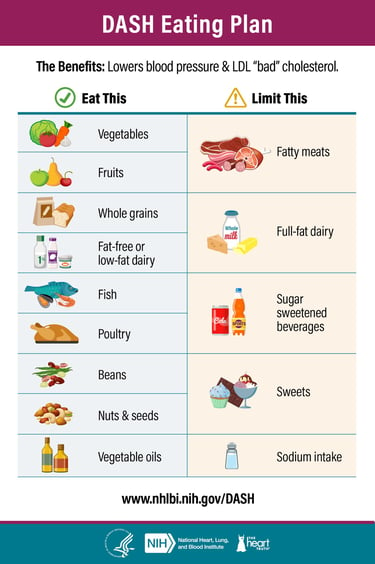
One of the most studied dietary approaches for lowering blood pressure is the DASH diet (Dietary Approaches to Stop Hypertension).
Clinical trials funded by the National Heart, Lung, and Blood Institute showed that the DASH diet significantly reduces blood pressure, even without weight loss.
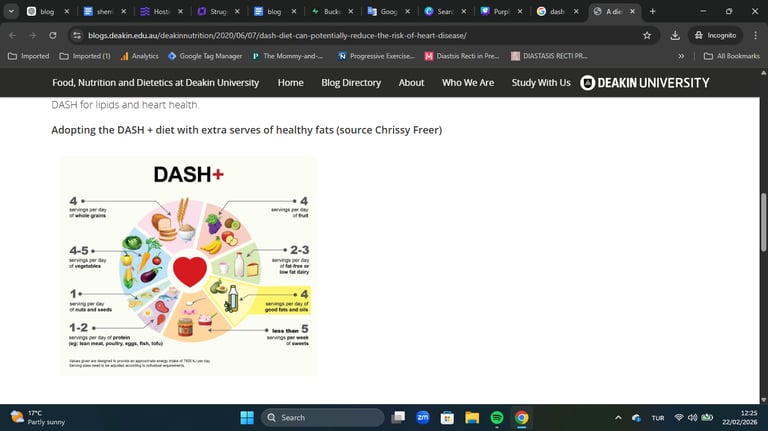
Core Principles of DASH:
High intake of vegetables and fruits
Whole grains instead of refined grains
Lean proteins (fish, poultry, legumes)
Low-fat dairy products
Reduced sodium intake (ideally 1,500–2,300 mg/day)
Limited added sugars and processed foods
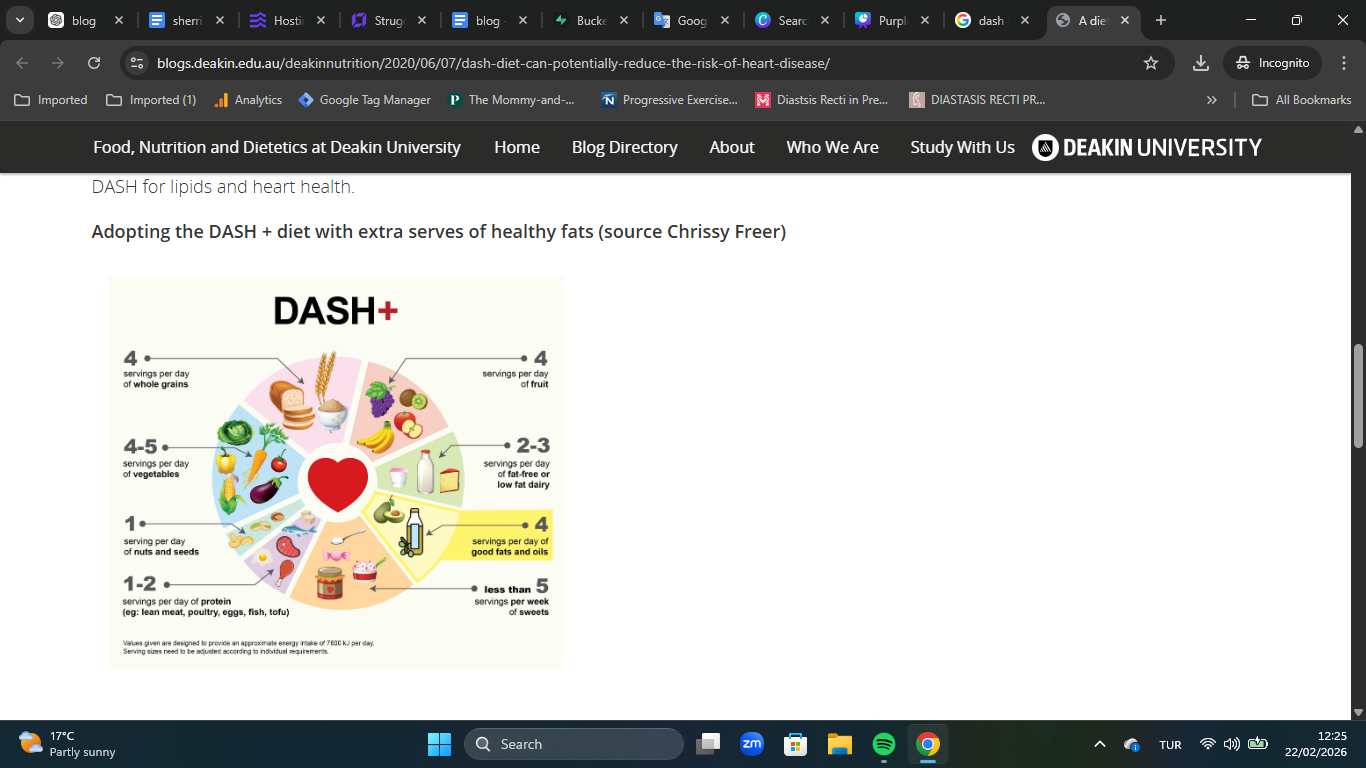
Practical DASH-Based Daily Example
Breakfast
30 gr rolled oats with 1 banana, 200ml skim milk and cinnamon. 1 glass of apple juice
Or- greek yogurt, oats with berries and chia seeds
Lunch
2 slices wholegrain bread, 2 tsp extra virgin olive oil, 1/4 small avocado, 1 small tomato, 1 slice (20g) reduced fat cheese, 20 gr baby spinach leaves, 1 cup fruit salad in juice.
Or- Grilled chicken or lentils, mixed green salad with olive oil and lemon, quinoa or brown rice
Snacks
Apple + handful of unsalted almonds (30g)
Carrots with hummus
100gr reduced-fat natural yogurt
1 medium apple
Dinner
90g Baked salmon or tofu,
1/2 cup steamed broccoli and green beans
1/2 cup small sweet potato/ steamed brown rice
Reduce:
Processed meats
Packaged snacks
Sugary drinks
Excess salt
How Much Can Blood Pressure Improve?
Research shows that combining exercise with DASH-style nutrition can reduce systolic blood pressure by 8–14 mmHg, which is clinically significant and comparable to some medications in mild cases.
Even small reductions dramatically lower cardiovascular risk.
Strength Training: The Missing Piece
Many people walk daily but avoid resistance training. This is a mistake.
Strength training:
Improves vascular compliance
Increases lean muscle mass
Enhances metabolic health
Reduces abdominal fat (a risk factor for hypertension)
Supports long-term independence and healthy aging
It is not about lifting heavy weights. It is about controlled, progressive resistance that challenges your muscles safely.
When done properly 2–3 times per week, strength training becomes one of the most powerful tools for preventing chronic disease.
Important Safety Notes
If you have high blood pressure:
Avoid holding your breath during lifting (no Valsalva maneuver)
Avoid heavy overhead presses (especially maximal loads)
Do not do high-intensity competitive lifting
Use moderate loads
Done with controlled tempo
Combined with steady breathing (exhale during effort)
Get medical clearance if blood pressure is uncontrolled
If blood pressure is significantly elevated (≥180/110 mmHg), exercise should be postponed until medically cleared.
Supervised training ensures exercises are adapted safely.
Safer Strength Options
For individuals managing blood pressure, prioritize:
Squats
Glute bridges
Step-ups
Seated rows
Chest press
Resistance band exercises
Walking + low-impact circuits
These movements strengthen the body without excessive cardiovascular strain.
Final Thoughts: Small Steps, Big Impact
High blood pressure does not develop overnight — and it doesn’t improve overnight either.
But consistent strength training, regular movement, stress management, and DASH-style eating can dramatically improve cardiovascular health.
If you want to:
Lower your blood pressure naturally
Build strength safely
Improve your heart health
Feel more energetic and confident
Join our strength training classes and take control of your health in a supportive, guided environment.
Your heart will thank you.
Harmony Fitness
Online Personal Trainer for Women
References
Appel, L. J., Moore, T. J., Obarzanek, E., et al. (1997). A clinical trial of the effects of dietary patterns on blood pressure. New England Journal of Medicine, 336(16), 1117–1124.
Cornelissen, V. A., & Smart, N. A. (2013). Exercise training for blood pressure: A systematic review and meta-analysis. Journal of the American Heart Association, 2(1), e004473.
Pescatello, L. S., et al. (2015). Exercise and hypertension: American College of Sports Medicine position stand. Medicine & Science in Sports & Exercise, 47(11), 2395–2407.
Sacks, F. M., et al. (2001). Effects on blood pressure of reduced dietary sodium and the DASH diet. New England Journal of Medicine, 344(1), 3–10.
Whelton, P. K., et al. (2018). 2017 ACC/AHA guideline for the prevention, detection, evaluation, and management of high blood pressure in adults. Hypertension, 71(6), e13–e115.
Harmony Fitness
Online Personal training for women who want to transform their health and build lasting fitness habits.
Connect With Me
Get notified about news! No spam, just motivation!